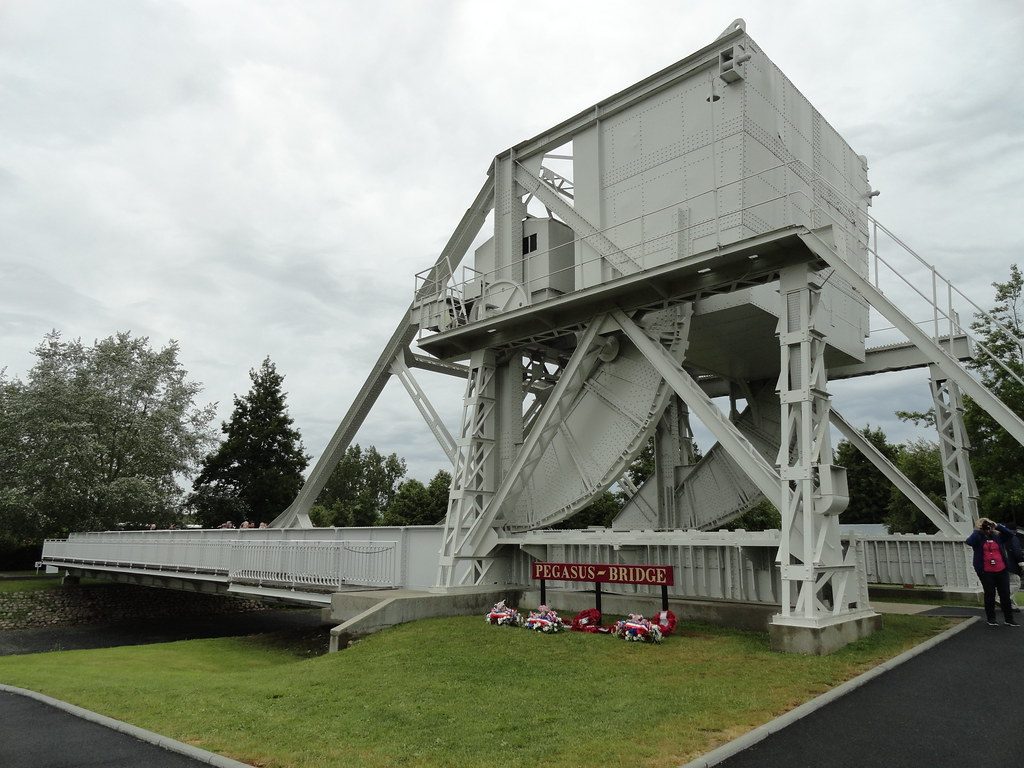
Pegasus Bridge
20 min drive
This site marks the first house liberated in France and offers a direct link to the airborne operations that began the D-Day landings.
Caen sits inland, a short run from the Channel coast, which is precisely why it became the base city for the landing sites. This how far is caen from normandy beaches guide sets out the practical distances to each sector and explains why the Mémorial de Caen is where most visitors begin. Expect concrete numbers, not vague reassurance.
Quick answer
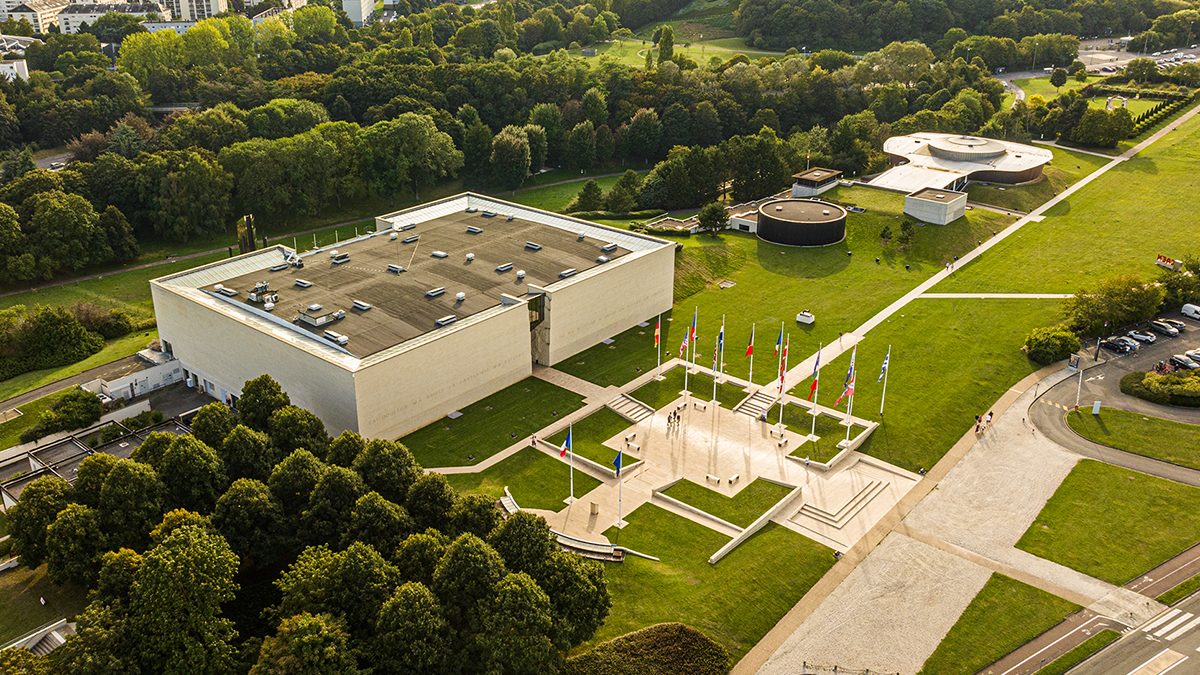
Caen lies roughly 15 km from the nearest landing sector at Sword Beach and about 45 km from Omaha, putting every British, Canadian and American beach within an hour's drive. The Mémorial de Caen, at Esplanade Général Eisenhower, 14050 Caen, opens 09:00–19:00 daily and needs around four hours, so distance rarely limits a day — daylight does.
Caen was never a coastal town. It sits on the Orne, some eight kilometres upstream from the sea, connected to the Channel by a canal dug in the nineteenth century — which is why the city was an Allied objective on 6 June 1944 and why it took until 19 July to take it. That inland position is the whole answer to how far is caen from normandy beaches: the city is close enough to serve every sector and far enough that a visit needs a plan. The five landing sectors fan out along roughly 80 kilometres of coast. Sword and Juno sit almost directly north of the city; Gold and the Mulberry harbour remains at Arromanches lie north-west; Omaha, the American cemetery at Colleville-sur-Mer and the cliffs of Pointe du Hoc sit further west, past Bayeux. Utah Beach, on the Cotentin peninsula, is the outlier. Nothing in that arc is more than about ninety minutes from the Mémorial de Caen by road, but the sectors do not chain together neatly, and drivers who assume otherwise lose the afternoon on the D514. The Mémorial itself is the reason the question matters. Built on the site of a German command bunker and opened in 1988, it frames the landings within the wider war rather than sector by sector, which is why most Caen D-Day tours depart from its esplanade after a morning inside. The building asks for around four hours of unhurried attention. Combined with any serious stretch of coast, that makes for a long day, and visitors comparing Normandy landmarks against a single afternoon usually have to choose. The useful way to read distance here is in sectors, not kilometres. One nationality's beaches — British and Canadian, or American — sit comfortably within a day alongside the museum. Both do not.
“Distance is measured in sectors here, not kilometres — one nationality's beaches fit a day alongside the museum; both do not.”
This plan suits first-time visitors with a full day in Caen who want the museum's context before seeing the coast itself, and runs roughly nine hours door to door.
Reach Esplanade Général Eisenhower at opening to clear the entrance desk quickly and start with the underground spiral ramp into the 1918-1939 galleries. Allow around 4 hours for the full circuit.
Work through the occupation, resistance and collaboration rooms in sequence, as the displays build chronologically. Budget about 90 minutes here rather than backtracking later.
Watch the D-Day film in the auditorium, then continue into the Battle of Normandy and Cold War sections. Check the film start times on the board near the ticket hall when you arrive.
Pause in the American Garden or the Valley Garden behind the building before eating. Around 45 minutes is enough to reset before the afternoon.
Leave the museum with roughly four hours of coastal time ahead. Decide your route before setting off, as the beaches sit along a wide arc rather than one road.
Start at the nearest landing sector and walk the seafront and its memorials. One or two hours is realistic without rushing.
View the remaining Phoenix caissons from the cliff terrace above the town, then walk down to the beach. Late afternoon light falls behind the harbour remains.
Head back with time for an evening meal in the city centre. The full loop closes at around nine hours from your museum arrival.
Caen serves as a central hub for exploring the D-Day landing beaches and associated historical sites. These nearby locations complement the context provided by the Caen Memorial Museum.
20 min drive
This site marks the first house liberated in France and offers a direct link to the airborne operations that began the D-Day landings.
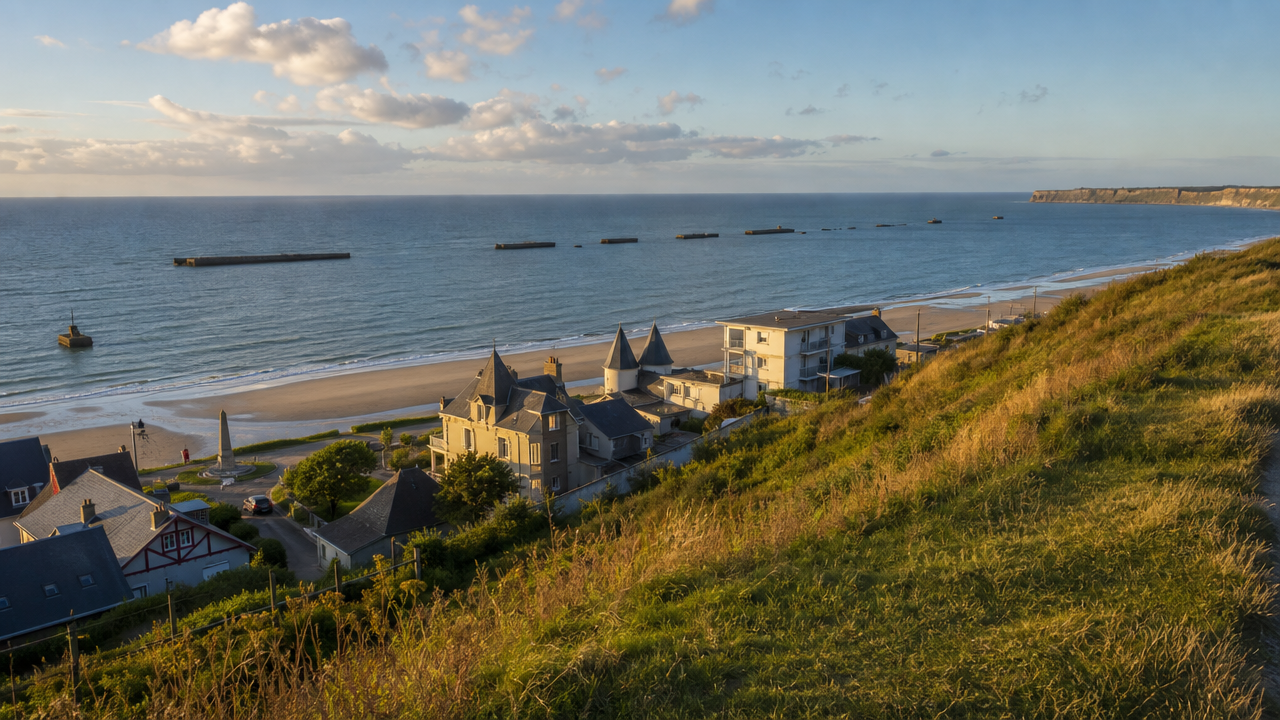
35 min drive
This coastal village provides a clear view of the remains of the Mulberry Harbour, essential for understanding the logistics of the Allied invasion.
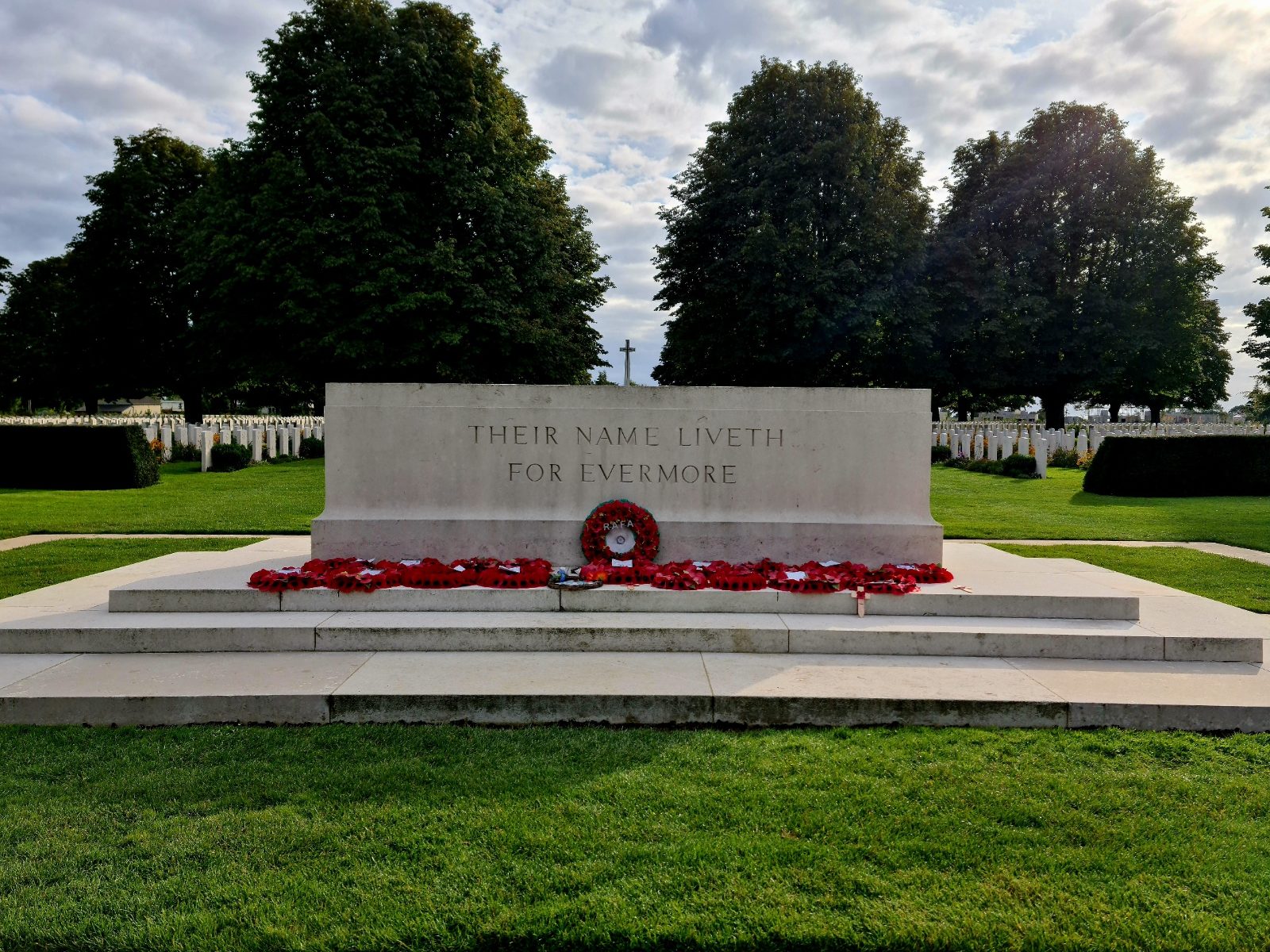
30 min drive
As the largest Commonwealth War Cemetery in France, it provides a quiet space to reflect on the casualties of the Battle of Normandy.
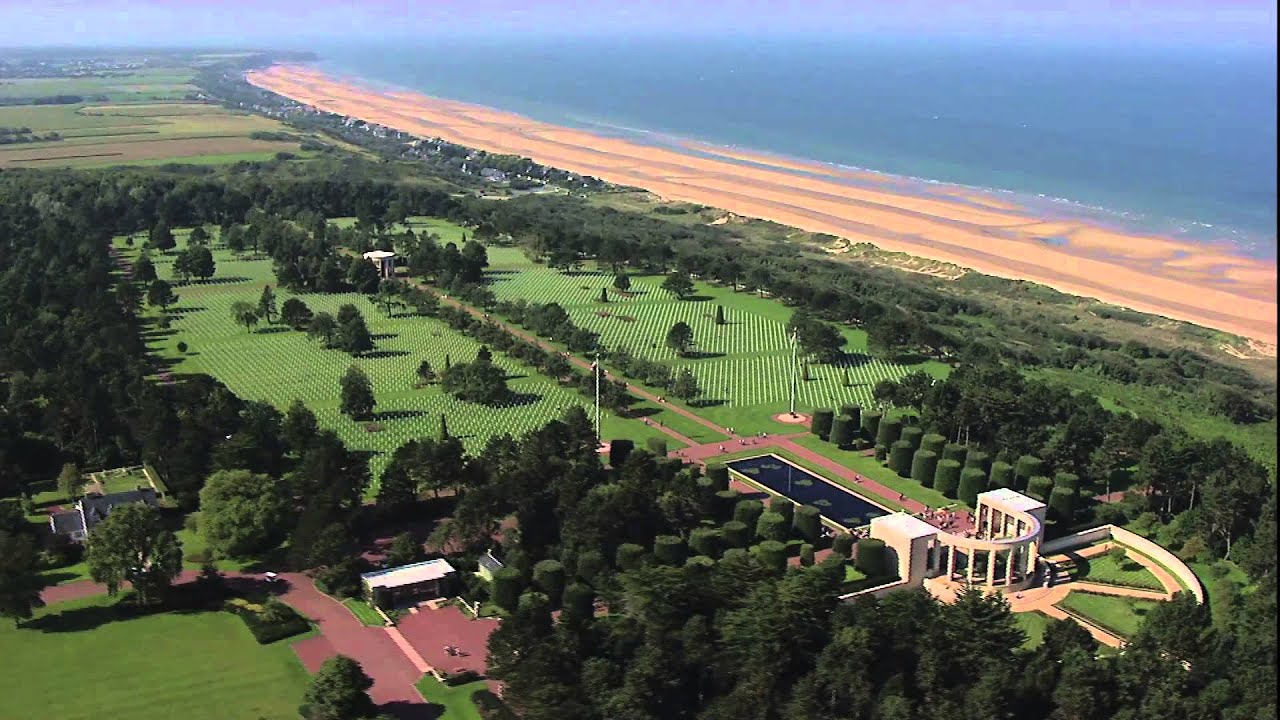
40 min drive
Home to the Normandy American Cemetery, this site overlooks Omaha Beach and offers a geographical connection to the events detailed in the museum.
Everything you need to know about how far is caen from normandy beaches
Caen is located approximately 15 to 20 kilometers from the nearest D-Day landing beaches, such as Sword Beach. Determining how far is caen from normandy beaches is essential when planning your historical excursion. Most visitors find that Caen serves as a convenient central hub for exploring the wider region.
Yes, the museum is situated in Caen and acts as a primary landmark for those researching how far is caen from normandy beaches. It offers extensive historical context before or after you travel to the actual landing sectors. Many travelers consider this site a mandatory starting point for their Normandy itinerary.
The museum requires approximately 4 hours for a full visit to properly digest the exhibitions. Since many visitors wonder how far is caen from normandy beaches, they often pair the museum visit with an afternoon trip to the coast.
Reaching the coast from Caen is straightforward via regional bus or rental car. Once you understand how far is caen from normandy beaches, you can easily organize your transport to sites like Omaha Beach or Arromanches.